
Digital signage is transforming how businesses advertise, communicate, and connect with customers. From interactive displays to high-resolution LED screens, modern digital signs offer more flexibility than traditional printed advertising.
In 2026, digital signage trends focus on smarter technology, improved display quality, energy efficiency, and engaging customer experiences.
For businesses exploring digital signs in Mississauga, understanding these trends can help them make better decisions about their signage investments.

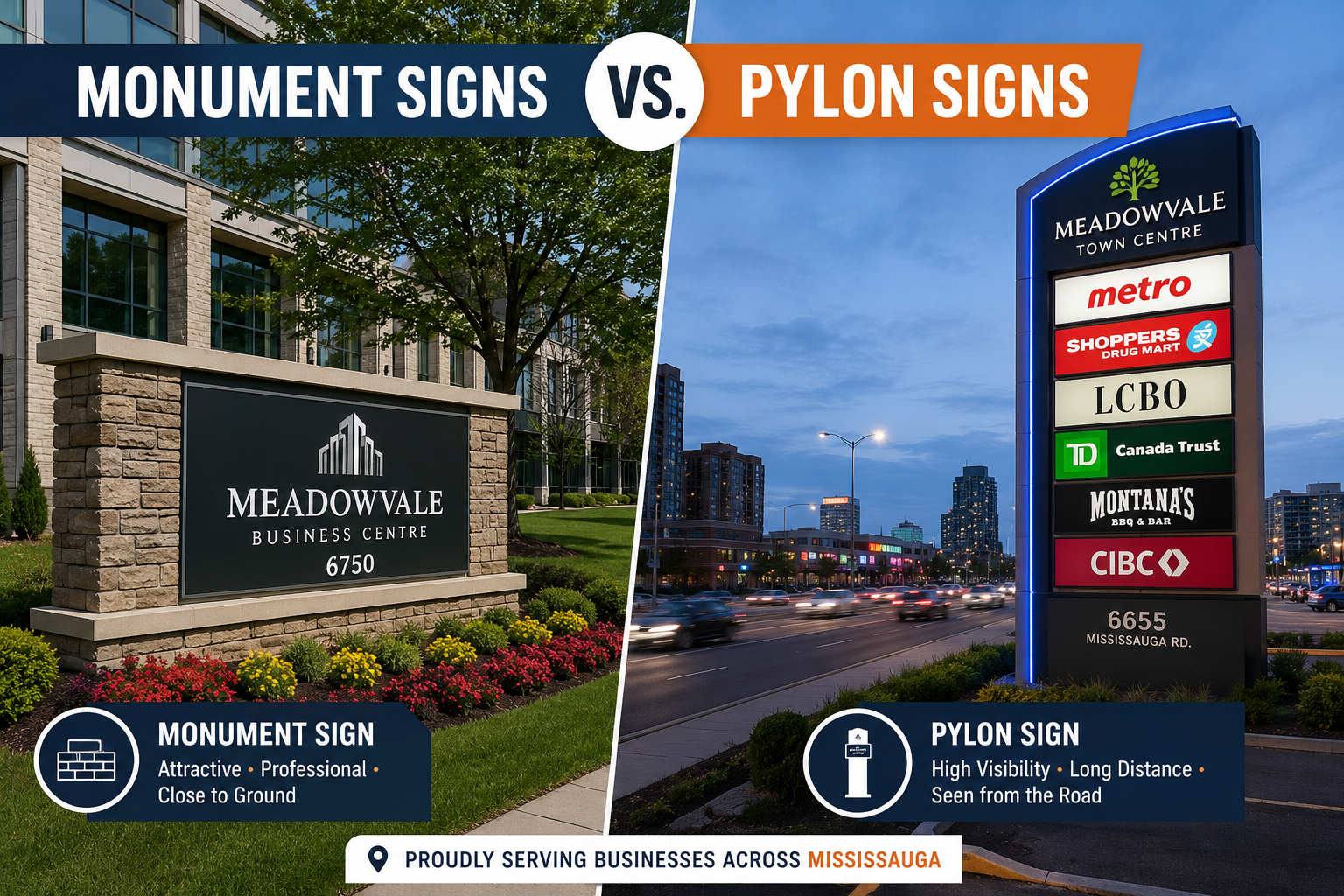
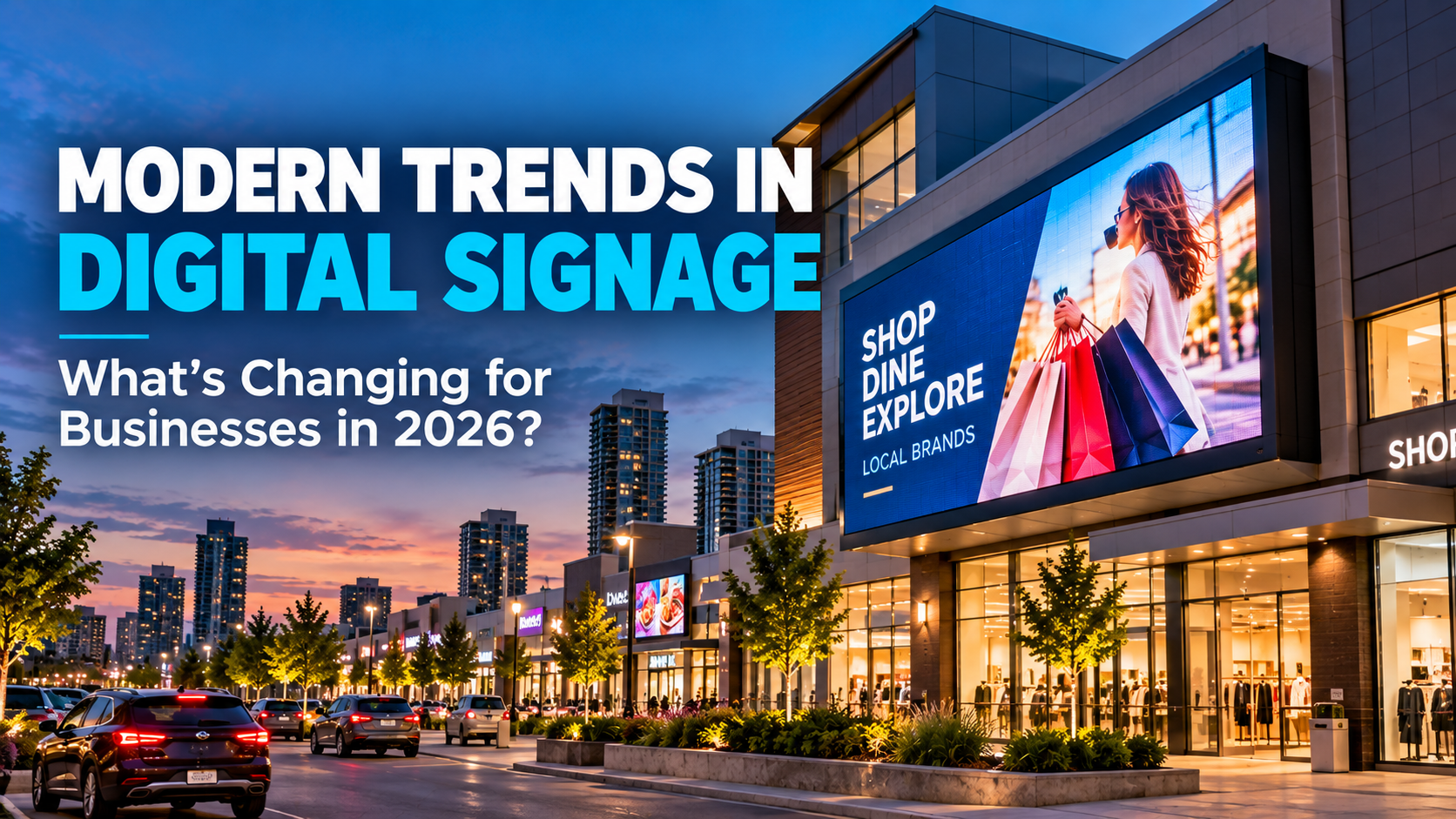
IMAGE #1 — Featured image | Alt: Modern digital signage trends and outdoor LED signs for businesses in Mississauga
1. AI-Powered Digital Signage
Artificial intelligence is making digital signage more adaptable. AI-assisted systems can help businesses generate promotional content, schedule advertisements, and analyze campaign performance.
For example, a retail store can schedule different promotions throughout the day, while restaurants can automatically switch between breakfast, lunch, and dinner menus.
AI-enabled tools can simplify content management, particularly for businesses operating multiple screens.
2. Interactive Digital Signage
Interactive displays are becoming popular in shopping centres, offices, restaurants, and commercial buildings.
Instead of only displaying information, touchscreen digital signs allow customers to interact directly with content.
Common applications include shopping mall directories, self-service ordering kiosks, interactive product catalogues, and digital wayfinding systems.

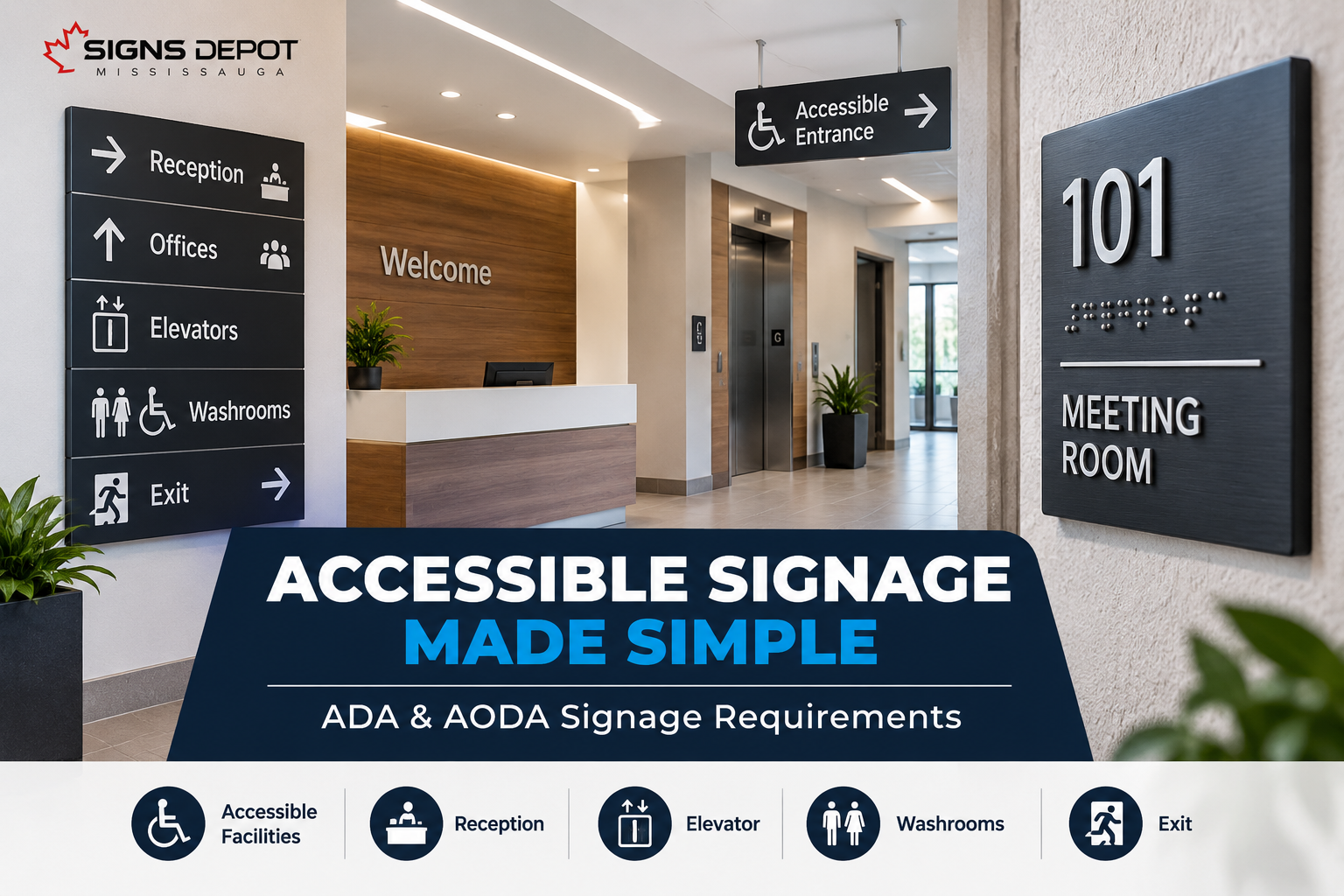
IMAGE #2 — Interactive digital signage | Alt: Interactive touchscreen digital signage for shopping centres and businesses
Businesses can combine interactive displays with custom signs in Mississauga to create a consistent brand experience.
3. High-Resolution LED Digital Displays
Modern LED technology is delivering improved image clarity, brightness, and installation flexibility.
High-resolution LED digital signs are increasingly used in retail stores, corporate offices, showrooms, and commercial properties.
Popular applications include indoor LED video walls, outdoor digital billboards, digital menu boards, and large advertising displays.

IMAGE #3 — LED video wall | Alt: High-resolution LED digital display for commercial signage
For outdoor installations, screen brightness, weather resistance, viewing distance, and local signage regulations are important considerations.
4. Cloud-Based Digital Signage
Cloud-based digital signage allows businesses to manage content across multiple screens from a centralized platform.
Instead of manually changing advertisements at every location, businesses can remotely update promotions, announcements, and digital menus.
This is especially useful for restaurant chains, retail stores, and companies operating multiple locations in Mississauga.
5. Energy-Efficient Digital Signs
Energy efficiency is becoming an important factor when selecting commercial digital signage.
Modern display systems may offer automatic brightness controls, scheduled operating hours, and power-saving features.
Businesses can also explore low-power display technologies for applications that do not require continuously moving content.
These features can help reduce unnecessary energy consumption and support more efficient signage operations.
6. Personalized and Dynamic Digital Advertising
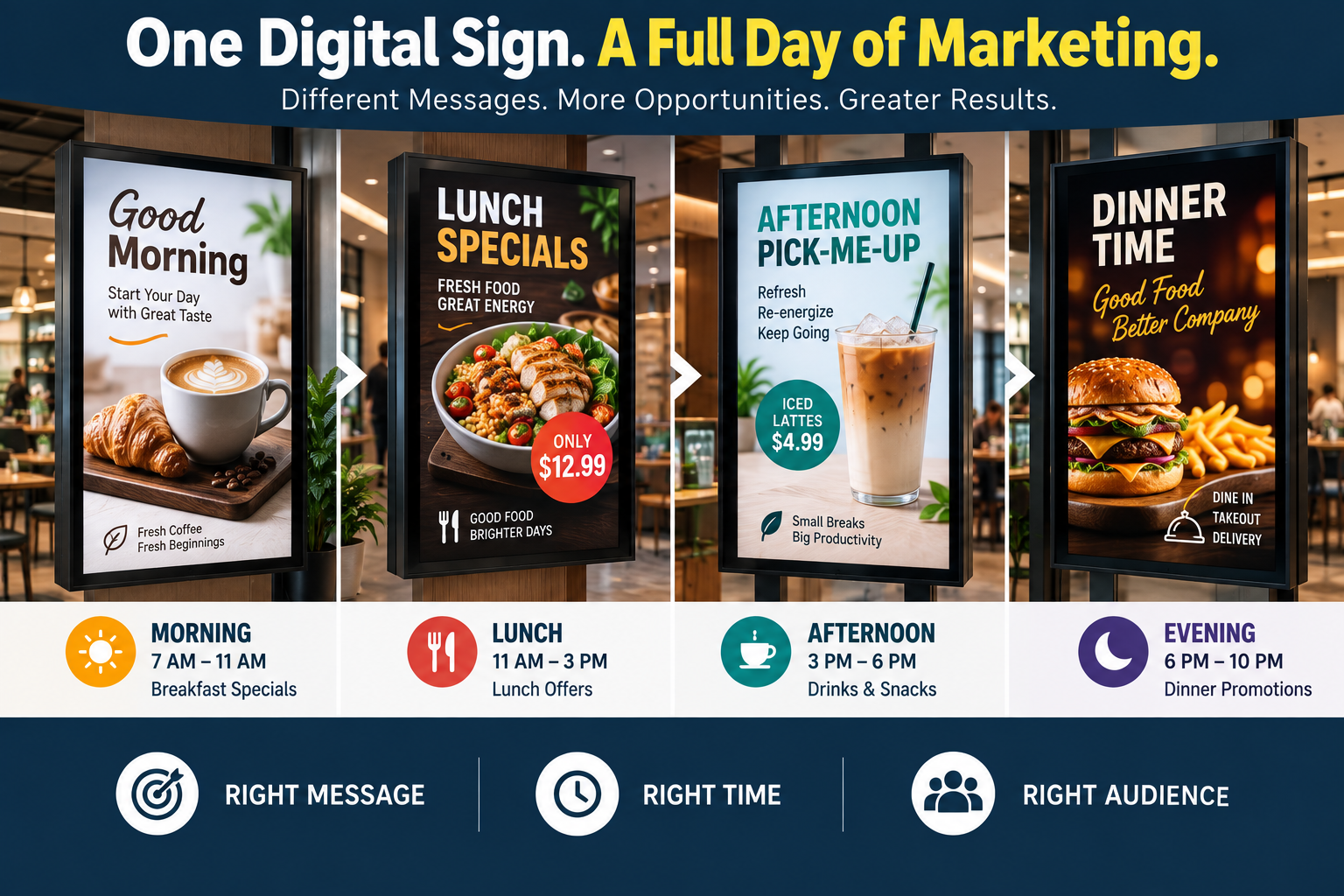
Businesses are moving toward digital advertising that changes according to time, location, weather, or promotional schedules.
For example, restaurants can display breakfast offers in the morning and dinner promotions in the evening. Retail stores can schedule seasonal campaigns, while shopping centres can display event announcements.
This approach helps businesses keep their advertising relevant without frequently replacing printed graphics.

IMAGE #4 — Retail digital advertising | Alt: Dynamic digital advertising displays in modern retail stores
7. Digital Signage Analytics and Performance Tracking
Another important trend is measuring how digital signage performs.
Modern signage management systems can track content playback, display uptime, and campaign schedules. More advanced systems may support audience measurement and engagement analysis.
A 2026 Kitcast industry benchmark found that 76.5% of surveyed signage operators were not measuring screen ROI, highlighting an opportunity for businesses to improve performance tracking.
8. Combining Digital and Traditional Business Signs
Digital signage works best when it supports a complete business signage strategy.
For example, businesses can use traditional illuminated signs for permanent identification and digital screens for frequently changing promotions.
A retail store might combine exterior custom business signs, window graphics, and digital advertising displays to create a consistent brand experience.

IMAGE #5 — Integrated signage | Alt: Traditional storefront signs combined with digital advertising displays
What Do These Trends Mean for Mississauga Businesses?
Not every business needs advanced AI systems or large LED video walls. The right solution depends on the location, audience, budget, and communication goals.
Restaurants may benefit from digital menu boards, retail stores from promotional displays, and corporate offices from digital directories.
Before installing outdoor digital signage, businesses should also check applicable Mississauga sign regulations and permit requirements.
Conclusion
Modern digital signage is becoming smarter, more interactive, and easier to manage. From AI-assisted content and high-resolution LED displays to cloud-based management and dynamic advertising, these technologies offer new opportunities for businesses.
At Signs Depot Mississauga, businesses can explore signage solutions designed to strengthen visibility, improve branding, and support customer communication.